HOW CONSTRUCTION
DRAWS WORK
Your money doesn't go out all at once. Here's how it flows.
DRAWS
WHAT ARE CONSTRUCTION DRAWS?
A construction draw is a staged release of funds from your escrow account to your builder. Instead of paying everything upfront, funds are distributed as each phase is completed.
Most projects use 4–6 major draws based on your builder’s cost breakdown, though some lenders use more detailed schedules.
Builder completes a phase of work
Lender orders inspection
You approve the draw in writing
Funds are released to builder
Why This Protects You
Your builder is paid only for completed, inspected work. If something goes wrong, you haven’t already paid for unfinished construction.
TYPICAL DRAW STAGES
Released after foundation is poured, cured, and inspected. Typically 15–20% of the total construction budget.
Includes plumbing, electrical, and HVAC rough-ins. Released after framing inspection. Typically 30–35% of the budget.
Released after mechanical inspections and drywall completion. Typically 20–25% of the total budget.
Released after final inspection and Certificate of Occupancy. Typically 25–30% of the total construction budget.
Inspection Requirements
Before each draw is released, an inspector hired by the lender visits the job site to verify that the work described in the draw request has been completed according to the approved plans and specifications.
Inspector visits the job site before funds are released.
Photos are taken, progress is measured, and quality is reviewed.
Work is compared against the approved plans and specifications.
If approved, the draw is released. If not, the draw is held until issues are corrected.
Lender’s Inspector
Protects the lender’s financial interest. Verifies that work is completed before releasing construction funds.
Building Department Inspector
Protects public safety and code compliance. Ensures the home meets local building regulations.
You Must Approve Every Draw
This is a VA requirement: the lender must obtain your written approval before each draw is released to your builder. You’re not just a bystander — you control the money flow.
When your builder requests a draw, the lender sends you a draw request form showing what work has been completed and how much is being requested. You review it, visit the job site if you want, and sign off if you’re satisfied.
Don’t approve a draw if you’re not comfortable with the work. If something looks wrong, speak up. The lender won’t release funds without your written approval.
If you don’t sign, the lender doesn’t pay. Only approve when the work matches the plans and you’re satisfied.
Lien Releases & Documentation
Before funds are released, your builder must provide documentation proving that subcontractors and suppliers have been paid. This prevents future lien claims against your property.
BEFORE EACH DRAW
Required- ✓ Builder must provide lien releases from subcontractors and material suppliers for the previous draw.
- ✓ Confirms all parties have been paid and prevents liens against your property.
- ✓ Builder submits invoices and receipts for the current draw request.
- ✓ Lender reviews documentation to ensure the requested amount is reasonable.
FINAL DRAW PROTECTION
Full Release- ✓ Builder provides a full and final lien release.
- ✓ Confirms all subcontractors and suppliers have been paid in full.
- ✓ Protects you from future lien claims after construction is complete.
- ✓ Ensures clean title before permanent loan conversion.
HOW LONG DRAWS TAKE
From the time your builder requests a draw to when funds are disbursed, expect approximately 5–10 business days. This includes inspection scheduling, site visits, your approval, and lender processing.
Your builder should plan for this lag time in their cash flow. Draws are not instant — documentation and inspections take time.
- • The inspector finds issues
- • You’re slow to approve
- • Lien releases are missing
- • Invoices don’t match the request
INTEREST ACCRUES ONLY ON DRAWN FUNDS
During construction, you make interest-only payments on the funds that have actually been drawn from escrow.
You are not paying interest on the full loan amount while the home is being built. Payments increase gradually as draws are released.
After the final draw and loan conversion, you switch to regular principal and interest payments on the full loan amount.
WHAT HAPPENS IF CONSTRUCTION DELAYS


WEATHER DELAYS
Weather delays
Build buffer time into your construction timeline and rate lock period. A few weeks of rain won’t break the schedule if you planned for it.

MATERIAL SHORTAGES
Material shortages / supply chain
Your builder should order long-lead items early. If delays extend beyond your rate lock, you may need an extension or accept a new rate.
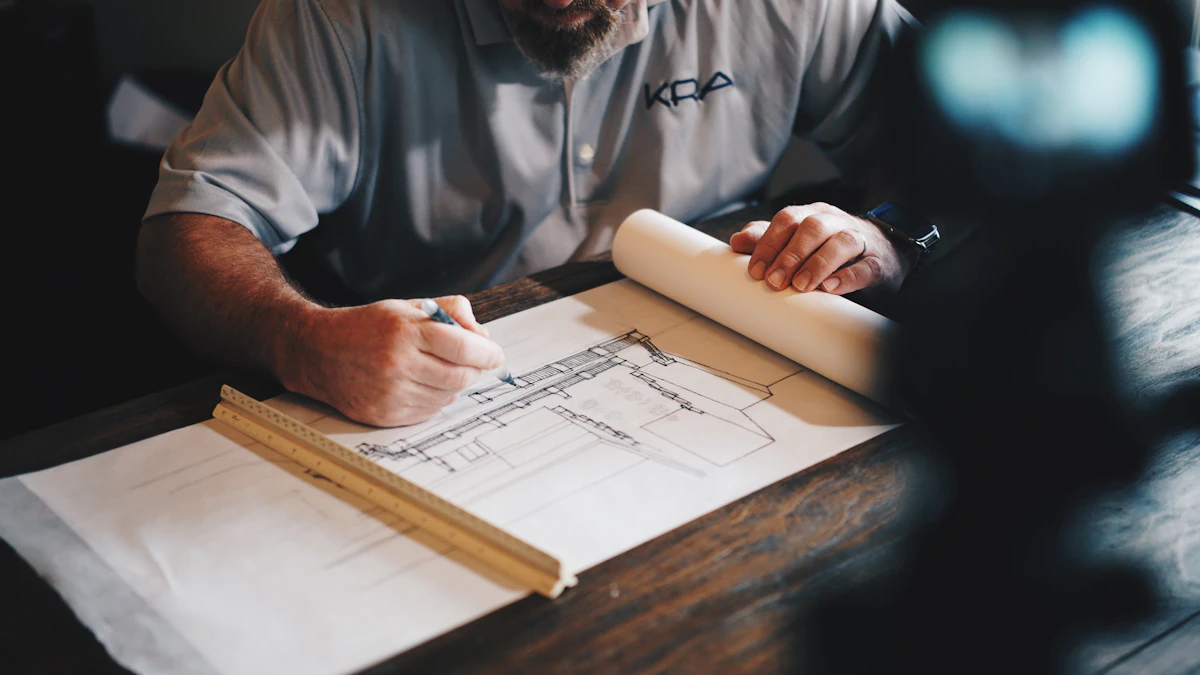
BUILDER FALLS BEHIND
Builder falls behind schedule
Stay in communication with your builder and lender. If delays are significant, discuss options: rate lock extension, change builders, or adjust plans.
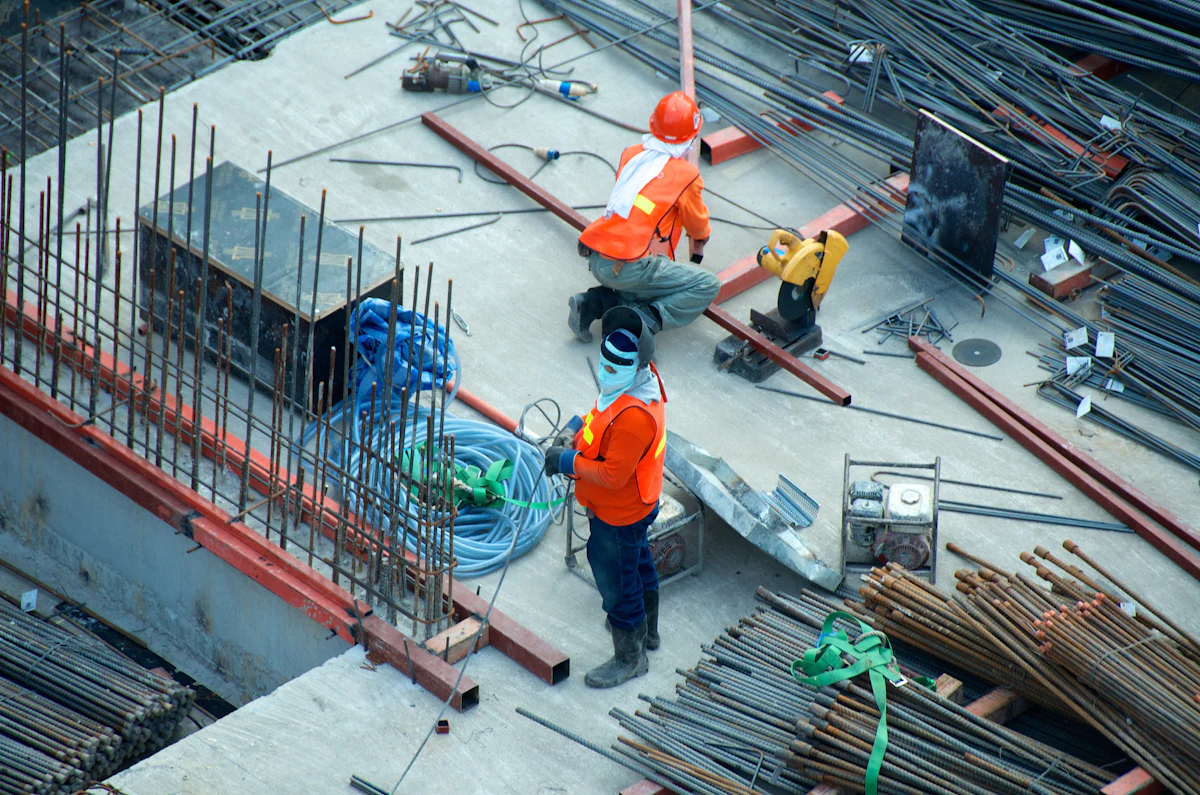
FAILED INSPECTIONS
Failed inspections / code issues
Work must be corrected before the draw is released. This is why choosing a quality builder matters. Don’t cut corners to save time.
PROTECTING YOURSELF DURING DRAWS
FINAL DRAW & CONVERSION
Final Draw Release
The final draw is released only after construction is complete, the final VA inspection is approved, you have a Certificate of Occupancy, and you’ve completed a final walkthrough with your builder.
- ✓Final VA inspection approved
- ✓Certificate of Occupancy issued
- ✓Final walkthrough completed
Conversion to Permanent
Your builder provides a full and final lien release confirming all subcontractors and suppliers have been paid. You sign the final draw approval, the lender releases remaining funds, and then processes the conversion.
- ✓Full & final lien release provided
- ✓You sign off on the final draw
- ✓Loan converts automatically to P&I payments
Once conversion is processed, you begin regular principal & interest payments. No second closing required.